What tiny brain monitors are teaching us about extreme animal sleep habits
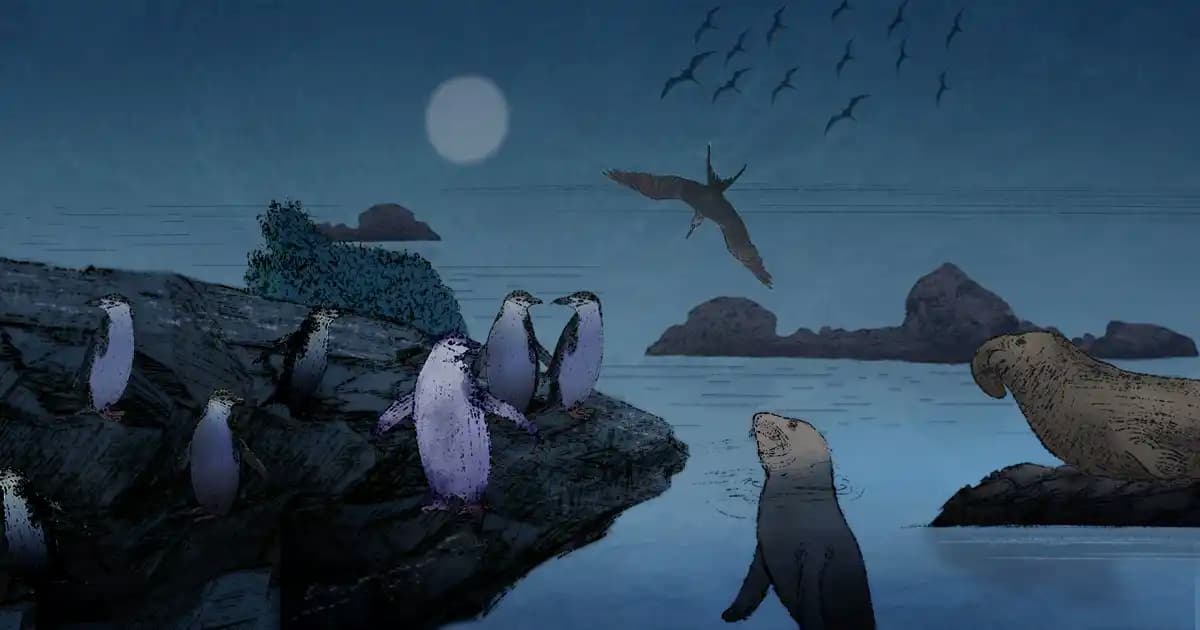
This article explores how miniaturized sleep labs are allowing scientists to track extreme animal sleep habits in risky environments. Penguins have evolved to take thousands of 4-second microsleeps a day, while frigatebirds can sleep with one half of their brain while flying. Elephant seals sleep during deep dives to avoid predators. These findings highlight the flexibility of sleep in response to ecological demands.
0 Comments